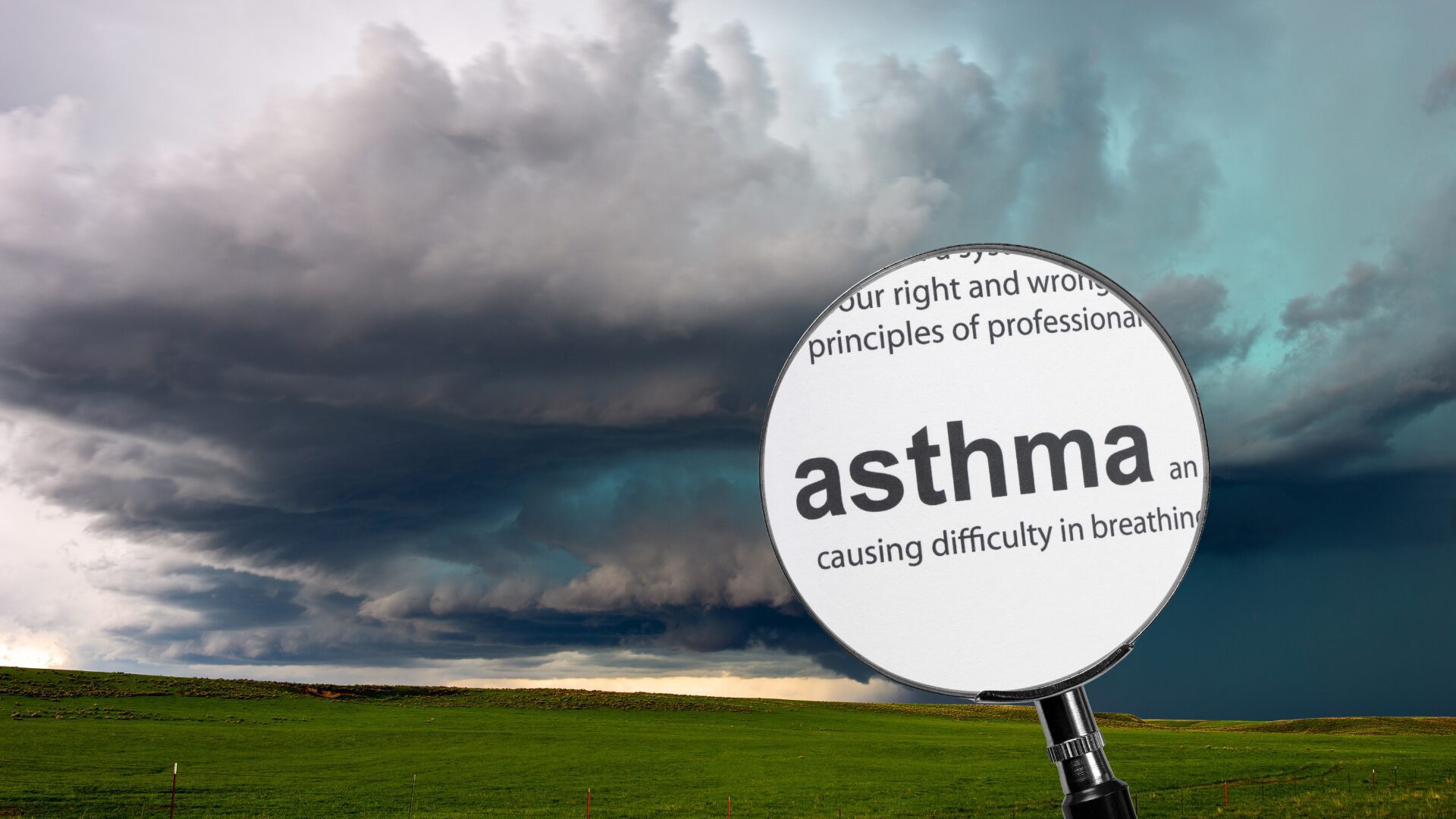
Recently, thunderstorm asthma warnings have been issued across Australia - but what exactly is it? For some people, especially those with asthma or hay fever, certain storm conditions can trigger severe breathing problems. Here’s how it happens, who’s most at risk, the symptoms to watch for, and the simple steps you can take to reduce the risk and keep your family safe.
Recently, several thunderstorm asthma warnings have been issued in the media.
So what is it? In short, for some individuals, particularly those with asthma or hay fever, thunderstorms can trigger a severe condition known as thunderstorm asthma.
So, what exactly is it – and how can you protect your family?
What is Thunderstorm Asthma?
Thunderstorm asthma happens when a storm’s weather conditions combine with high pollen levels, triggering severe asthma symptoms in people who are sensitive to pollen.
Here’s what happens:
During a thunderstorm, strong winds and humidity cause pollen grains (especially from ryegrass) to burst into tiny, breathable particles.
These particles are swept into the air and inhaled deep into the lungs.
For individuals with asthma or hay fever, this can cause the airways to tighten and swell, making it difficult to breathe.
Thunderstorm asthma is uncommon and requires particular weather conditions to occur, but when it happens, it can affect many people at once – even those who’ve never had asthma symptoms before.
You can find a great video resource that explains how thunderstorm asthma events occur on the Asthma Australia site here.
Who Is Most at Risk?
Those with asthma, especially if it’s poorly controlled or triggered by pollen.
People who experience hay fever (allergic rhinitis) during pollen season.
People who experience wheezing or coughing during spring or after spending time outdoors.
Children with asthma, eczema, hay fever, or grass pollen allergies are more likely to be affected during a thunderstorm asthma event. It’s also important to know that some little ones who haven’t been diagnosed with asthma – or who’ve never shown symptoms before – can still experience breathing difficulties when these conditions combine. If there is a family history of asthma, the risk for little ones is higher. However, thunderstorm asthma can affect any child.
A child suddenly becomes quiet, tired, or struggles to catch their breath.
If your child has asthma, these are the same signs you’d watch for during any flare-up – but it’s essential to know that thunderstorm asthma can affect even those who’ve never had a diagnosis.
Call an ambulance (000) if: – Your child is struggling to breathe. – Your child is limp or floppy, or you are having difficulty waking them. – Your child is blue around the lips, drowsy or having trouble talking in sentences.
Go to your nearest hospital if: Your child is awake and alert, but: – Has breathing that is fast or noisy. – Makes sucking movements in their neck or chest as they breathe (tracheal tug and abdominal recession/retractions) – Needs to use asthma reliever medicine at home more than every three hours.
See a doctor or health professional if: – Your child is working mildly harder to breathe than usual. – Your child has symptoms of thunderstorm asthma, but they do not have a hay fever treatment plan or an Asthma Action Plan.
Look after your child at home if: – They have a hay fever treatment plan or an Asthma Action Plan that helps manage their symptoms. – Their symptoms get better when they stay indoors on high-pollen days. – They only need to use their asthma reliever medicine every three to four hours and are otherwise well.
How to Reduce the Risk
Check pollen forecasts (such as the Vic Emergency or AirRater apps) – avoid outdoor activities on high-pollen or stormy days.
Keep windows and doors closed during storms.
Use air conditioning in recirculation mode when driving.
Follow your little ones’ Asthma Action Plan, if they have one, and ensure their reliever medication is up to date and easily accessible.
Stay indoors when a storm is approaching, especially in spring and early summer.
If your child has hay fever or occasional wheeze, it’s worth discussing with your GP or pharmacist – they can help you create an Asthma or Allergy Action Plan before storm season hits.
Check sites/apps like Pollen Forecast or The Bureau of Meteorology, and follow your state government health departments on social media as they often share warnings.
The Takeaway
Thunderstorm asthma can develop quickly – but with awareness, preparation, and the right action, you can keep your family safe.
Keep puffers handy, check the weather, and remember: if someone is struggling to breathe, call 000 and follow your asthma first aid steps if you have them.
💛 Knowledge saves lives – and being prepared makes all the difference.
References:
Asthma Australia – https://asthma.org.au/triggers/thunderstorm-asthma/
NSW Health – https://www.health.nsw.gov.au/environment/factsheets/Pages/thunderstorm-asthma.aspx
National Asthma Council Australia – https://www.nationalasthma.org.au/living-with-asthma/resources/patients-carers/factsheets/thunderstorm-asthma
Royal Children’s Hospital – https://www.rch.org.au/kidsinfo/fact_sheets/thunderstorm_asthma/
Starting solids can feel exciting and overwhelming. With updated 2026 ASCIA guidelines on introducing allergen foods, many parents are wondering what’s changed and what it means for their baby. This practical, parent-friendly guide explains when to introduce common allergens like peanut and egg, how often to keep offering them, and what to do if you notice a reaction. We break down the latest advice so you can feel more confident introducing solids safely.