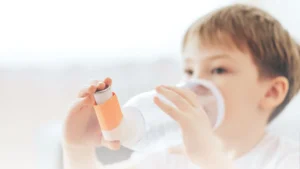
Why Everybody Needs To Use A Spacer With Their Puffer
Did you know that using a spacer with a puffer (metered dose inhaler) increases the medication’s effectiveness by up to 70 per cent?

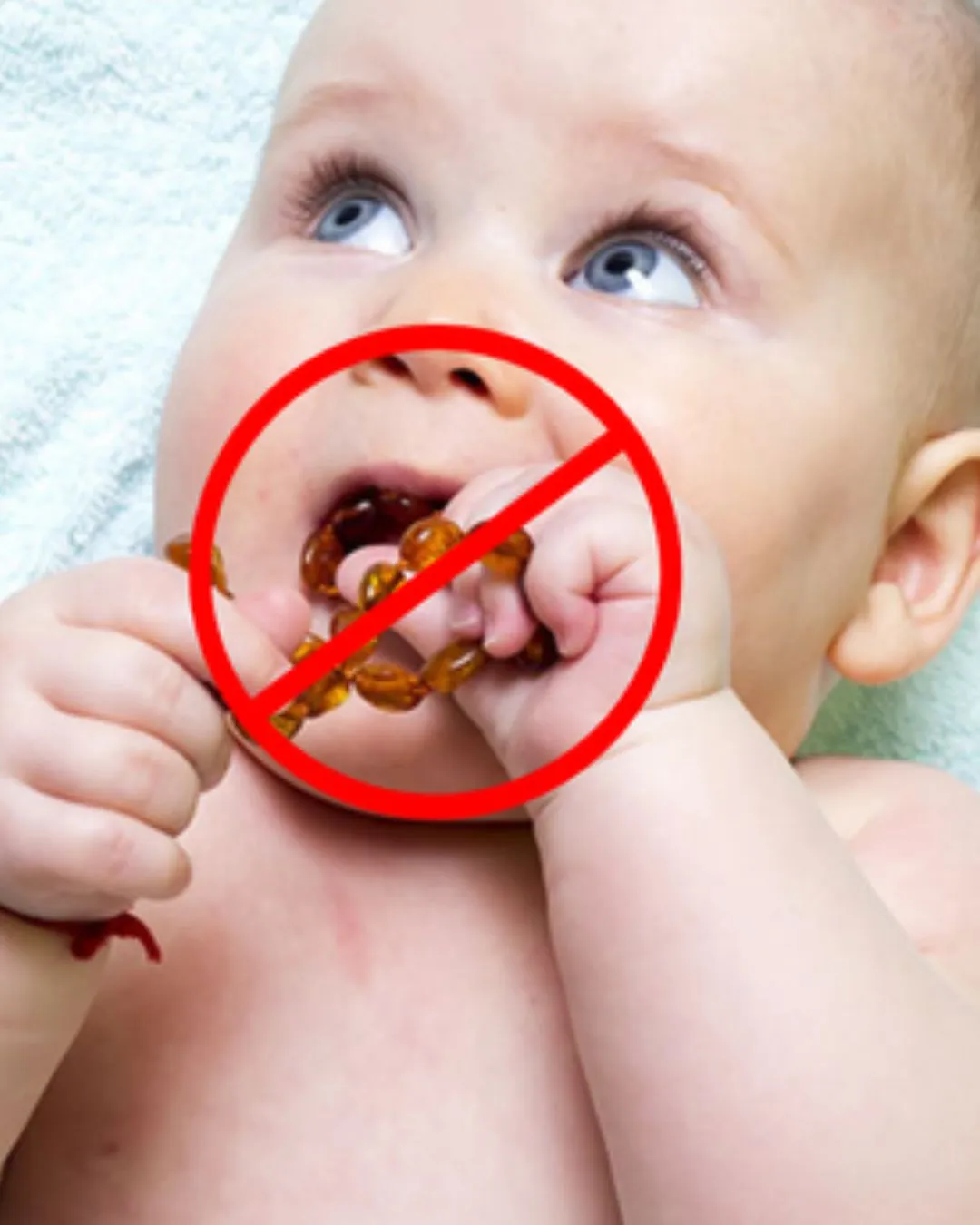
Amber teething necklaces are as popular as ever, but it is important to understand that they are a choking and strangulation hazard.
After several teething necklace-related incidents in the media, Commissioner for Fair Trading Victoria Thomson shared in a press release (2021) that there are a number of risks associated with amber bead necklaces;
“These necklaces can strangle or choke a child so the consumer product safety team within the Office of Fair Trading is strongly advising parents and guardians to avoid them completely due to the safety risks,”
“If children have these around their necks there is a risk of strangulation, particularly if they are sleeping in them. If the necklace breaks and the small beads are released, there is a risk of them choking if they put the beads in their mouths. Additionally, authorities are unable to substantiate the therapeutic claims made by producers of these products.”
 Firstly and most importantly, it is vital that you consider alternate forms of pain relief.
Supervise the infant when wearing the necklace or bracelet at all times.
Remove the necklace or bracelet when the infant is unattended, even if it is only for a short period of time.
Remove the necklace or bracelet while the infant sleeps day or night.
Never allow the infant to mouth or chew the necklace or bracelet.
Remember to always seek medical advice if you have concerns about your child’s health and well-being.
Don’t forget to book a baby + child CPR & First Aid class so that you know what to do in an emergency 
References
QLD Government – Parents warned to avoid amber teething necklaces
Did you know that using a spacer with a puffer (metered dose inhaler) increases the medication’s effectiveness by up to 70 per cent?

Introducing a new way to feel connected, supported, and to seek help, for your injured or sick child.

When it comes to babies and young children, cough medicines are not recommended — and can even be harmful. So what can you give your little one when a cough strikes? The answer might already be in your pantry. Here’s what the evidence says, plus practical tips to help your child rest easier this winter.