
‘Immunity debt’ – what you need to know and how it may affect your family post-lockdown.
Did children ‘lose immunity’ over lockdown? What does this mean now that lockdowns are lifted?

When we think about food allergies, we usually think about peanuts, eggs or dairy, and something that shows up early in life.
But there’s another allergy affecting Australians that works very differently.
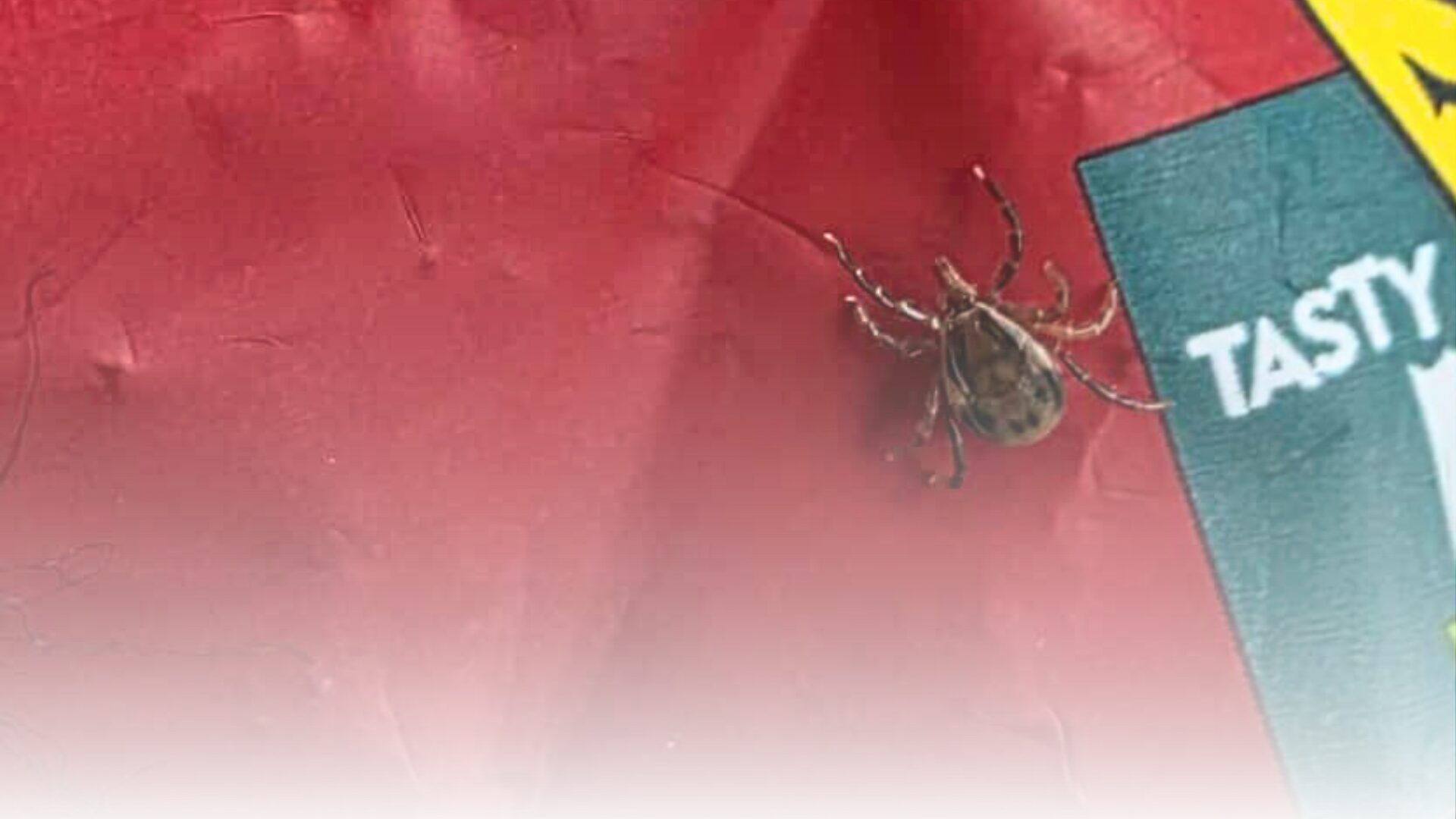
It can start with a tick bite… and symptoms can appear some time after the initial bite – and hours after eating mammal meat (more on what that means below!).
It’s called mammalian meat allergy (MMA) (also sometimes referred to as alpha-gal syndrome), and new Australian research shows it’s becoming more common, especially in tick-prone areas.
Mammalian meat allergy is an allergic reaction to a sugar called alpha-Gal, which is found in most mammal meat, including:
Alpha-Gal isn’t found in humans. But after certain tick bites, the immune system can become sensitised to it. When that happens, eating red meat can trigger an allergic reaction.
In Australia, mammalian meat allergy is most commonly linked to the Eastern paralysis tick, which is found along much of the east coast – from Queensland through NSW and into parts of Victoria.
These ticks are already well known to parents because they can:
Unlike most food allergies, reactions to mammalian meat allergy are often delayed.
Symptoms can appear 3 to 6 hours after eating, which makes it much harder to connect the reaction to food – especially in children who may eat dinner and then wake overnight feeling unwell.
This condition isn’t just limited to red meat. Some people also react to gelatine, which is commonly found in lollies, supplements and some medications. In rare cases, certain lifesaving medicines can also contain alpha-Gal, which is why diagnosis and medical guidance are so important.
Some good news from Allergy & Anaphylaxis Australia – “MMA can get better. If ticks are avoided and a person with MMA does not get bitten again, levels of allergy antibody to alpha-gal can lower over 12 to 18 months. Some people with MMA can return to eating mammalian meat after 3–4 years if they do not get any further tick bites. Further tick bites can increase the level of allergy antibody to alpha gal in a person with MMA.”
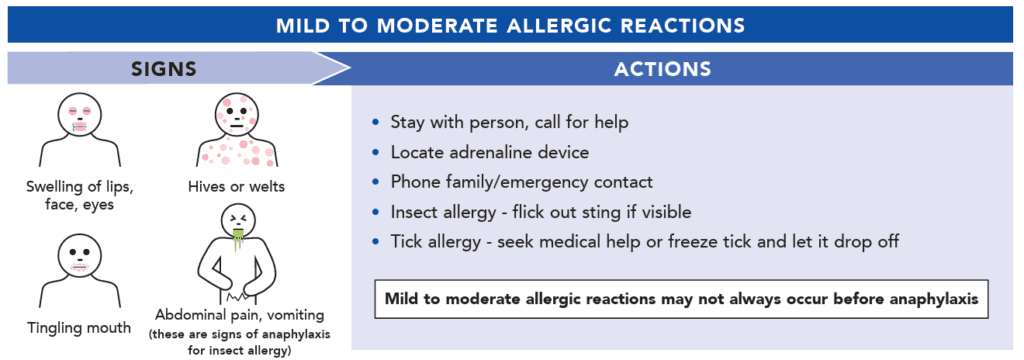
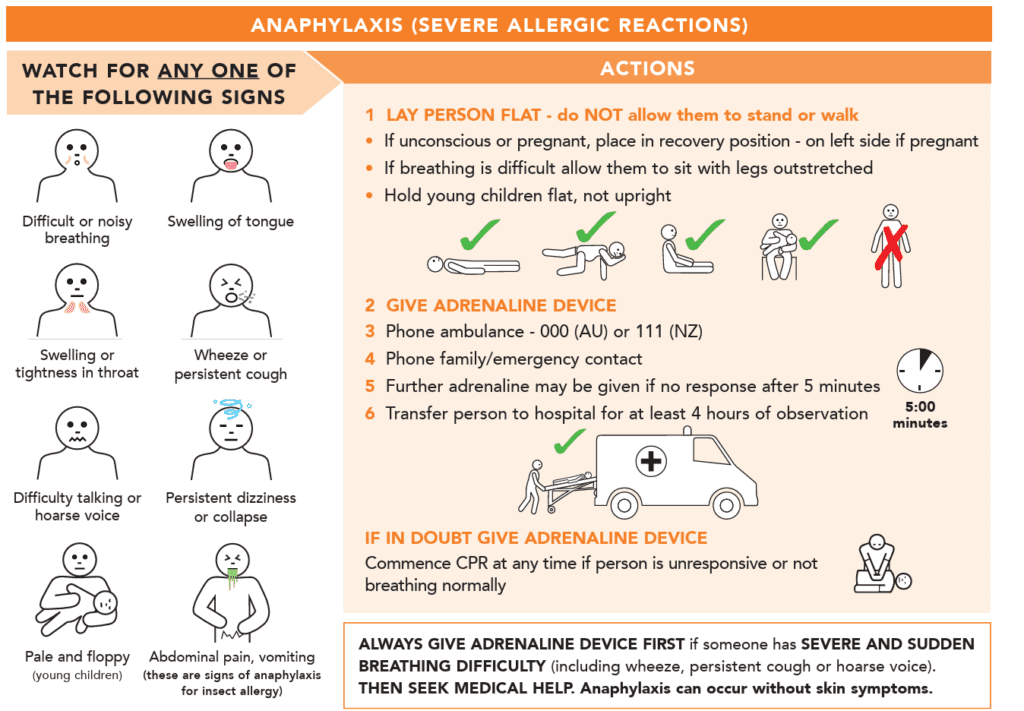
Below are infographics from ASCIA (Australasian Society of Clinical Immunology and Allergy) – “First Aid Plan for Anaphylaxis,” that detail the signs of a mild-to-moderate allergic reaction and anaphylaxis (severe allergic reaction), and what to do in the event of each. You can download the poster here.
You can read more about recognising allergies/anaphylaxis in babies and children at our blog here.
CSIRO research using anonymous pathology data has found:
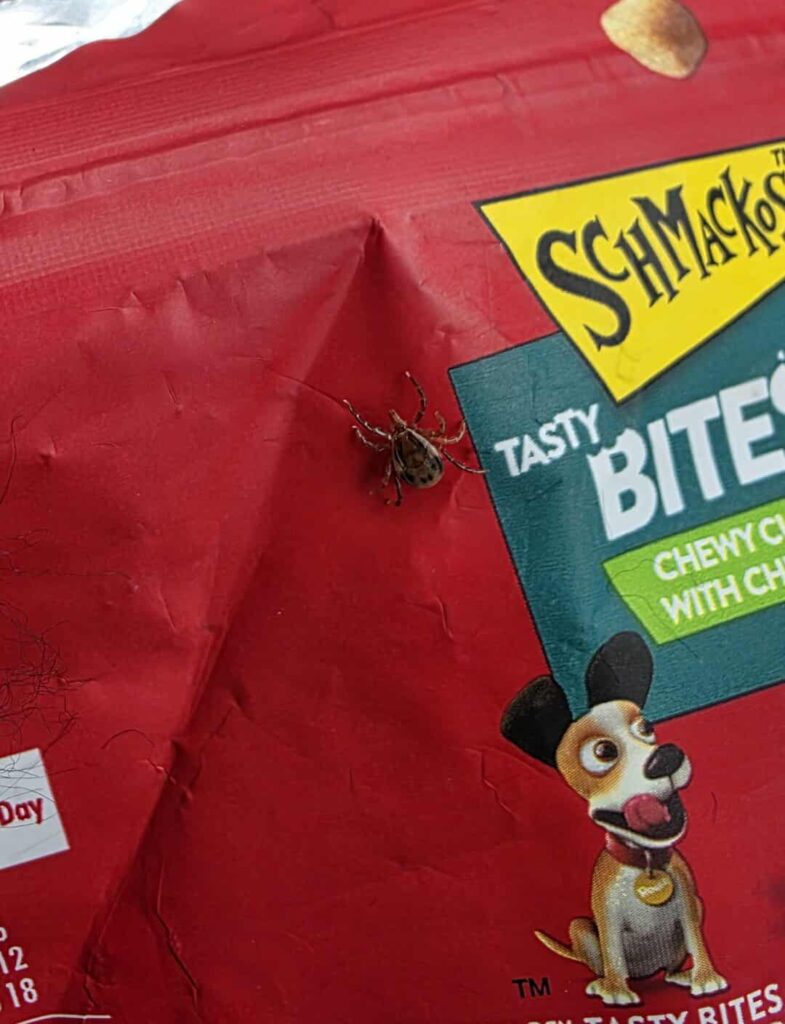
A tick that was crawling on a team member’s sister when she was recently holidaying on the south coast of NSW.
Research is also exploring a possible link between alpha-Gal antibodies and heart disease in adults – even in people who didn’t know they had a meat allergy.
While this research is ongoing, it highlights why tick bite prevention and awareness matter for long-term health.
You can’t completely avoid ticks, but you can reduce the risk:
Ticks can be very small, so check carefully around hairlines, behind the ears, and in skin folds.

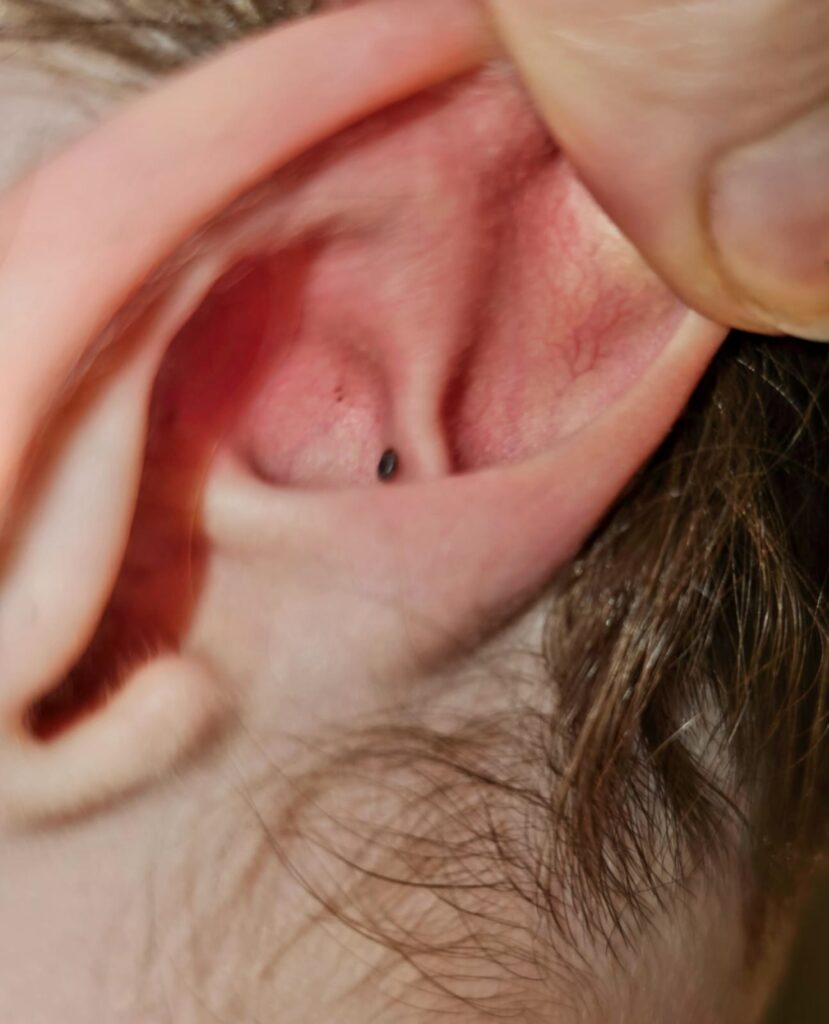
One of our team members’ 6-year-old daughter, had a tick on her eyelid and in her ear after camping on the east coast of NSW – they did all the right things, which is why careful tick checks are so important!
Freeze – don’t tweeze or squeeze.
Squeezing or forcefully removing a live tick can increase the risk of allergens being released into the body.
Tiara – Tick-Induced Allergies Research and Awareness – is a fantastic resource with clear video demonstrations, information, and more.
See your GP if:
Always seek urgent medical help if symptoms of anaphylaxis occur.
Mammalian meat allergy is still not widely known – but awareness matters.
If your family spends time outdoors, especially in tick-prone areas, knowing how to prevent tick bites, remove ticks safely, and recognise delayed allergic reactions can make a real difference.
REFERENCES
CSIRO – Mammalian Meat Allergy
TIARA – Tick-Induced Allergies Research and Awareness
Nip Allergies In the Bub – ‘How to Recognise an Allergic Reaction’
Allergy & Anaphylaxis Australia – Mammalian Meat Allergy
Did children ‘lose immunity’ over lockdown? What does this mean now that lockdowns are lifted?

Bringing CPR and first aid classes… and the funk!

Did you know? There is currently no Australian standard for baby gates (and a lot of other baby products!)