When Angus nearly didn’t come home: one mum’s story of sepsis

Angus was eight years old when a small cut on his finger led to sepsis, needing Intensive care. This is their story, and what they want every parent to know about sepsis in children.

Angus was eight years old when a small cut on his finger led to sepsis, needing Intensive care. This is their story, and what they want every parent to know about sepsis in children.

At CPR Kids, we adore our furry family members — and we know many parents feel the same. So when we asked our community for your biggest questions about pets, pregnancy, newborns and little kids, you delivered! To make sure you get trusted, evidence-based answers, we teamed up with Lesley from We Are Family, specialists in helping families build safe, positive relationships with pets. From dog-licking myths to preparing pets for a newborn, safe introductions, toddler behaviour, and sleeping concerns, here’s what every family needs to know.

We get it – the word ‘allergies’ can cause parents + carers to feel anxious, especially when it’s time to introduce solids. Learn how to recognise the signs, respond quickly, and be prepared to act with confidence when it counts.

They’re tiny, shiny, and can be tempting to little explorers — but button batteries are one of the most dangerous items a child can swallow. In just two hours, a lodged battery can burn through tissue and cause life-threatening injuries. That’s why first aid guidelines have changed, and why every parent, grandparent, and carer needs to know what to do. Research now shows that giving honey (or jam for under 12 months) before reaching the hospital can help slow the damage and buy critical time — knowledge that could save a life.

On World Sepsis Day, we’re honoured to share Ryan’s story – a cheeky, resilient little boy who survived sepsis against the odds. His journey reminds us that sepsis can happen to any child, from any infection – and that trusting your instincts could save a life.
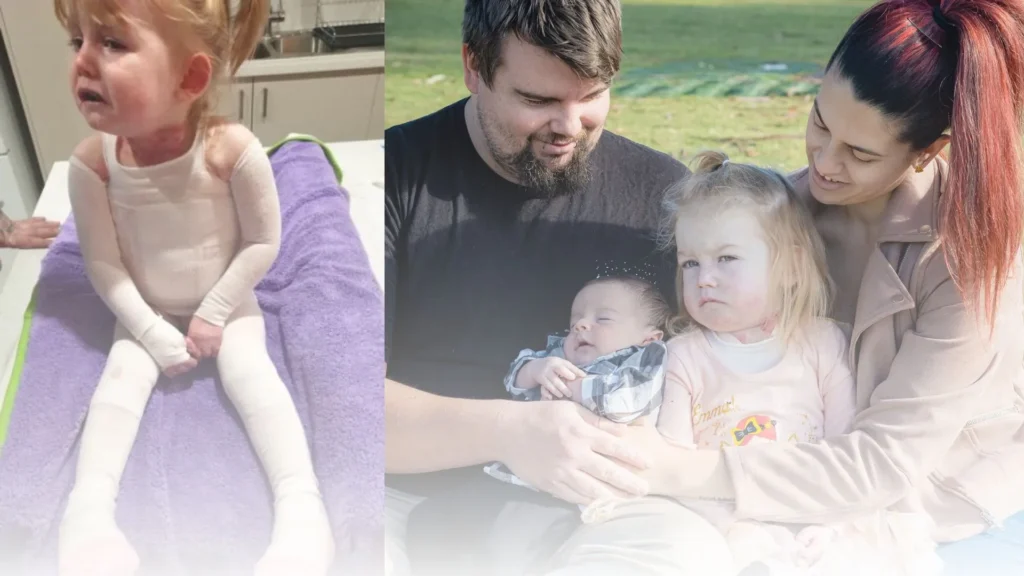
Born with Epidermolysis Bullosa (EB), Alexis faced unimaginable challenges from birth, her skin as fragile as butterfly wings. Despite infections, daily wound care, and the heartbreaking diagnosis of stage four renal cancer, her parents, Alarna and Harley, dedicated themselves to giving her the best life possible. After Alexis’s passing, they now raise awareness for EB through DEBRA Australia, determined to support other families and honour their daughter’s legacy.
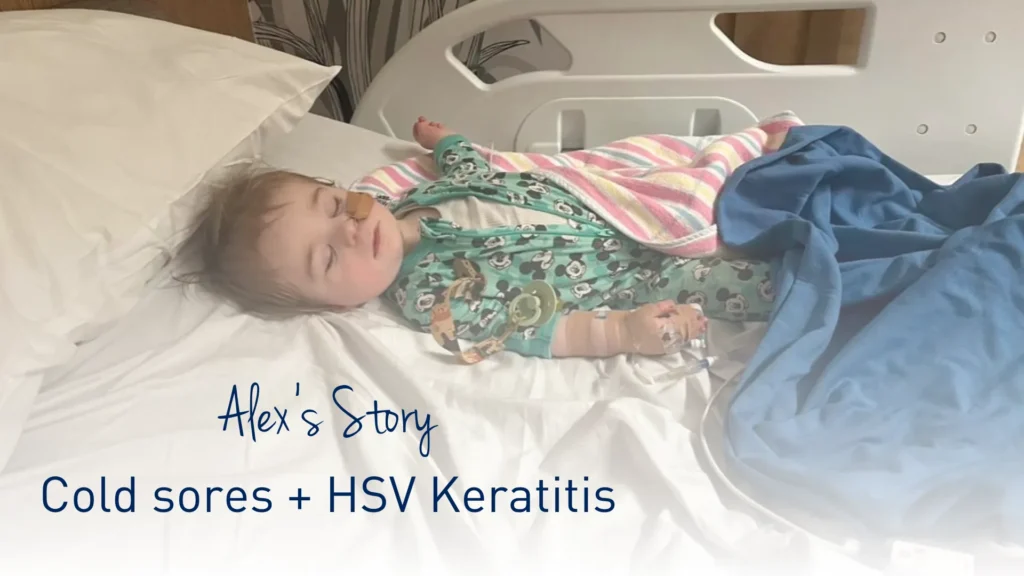
A mother from New South Wales is sharing her son Alex’s story to raise awareness about the risks of the cold sore virus after her 14-month-old was diagnosed with HSV keratitis.
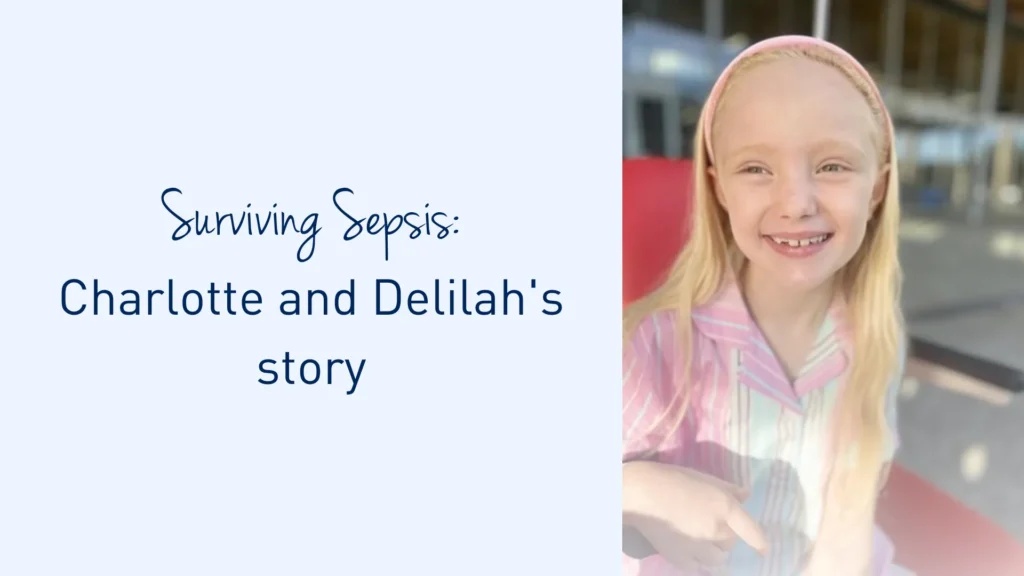
Discover Delilah’s courageous battle against sepsis after a seemingly harmless skateboard fall. Learn how her family navigated the medical crisis, from swift diagnoses to emotional resilience, and the crucial lessons they want to share with other parents about recognising the signs of sepsis and advocating for your child’s care

Did you know that using a spacer with a puffer (metered dose inhaler) increases the medication’s effectiveness by up to 70 per cent?

Learn about Respiratory Syncytial Virus (RSV), its symptoms, when to seek medical attention, and effective prevention tips.