
‘Immunity debt’ – what you need to know and how it may affect your family post-lockdown.
Did children ‘lose immunity’ over lockdown? What does this mean now that lockdowns are lifted?

A CPR Kids guest blog
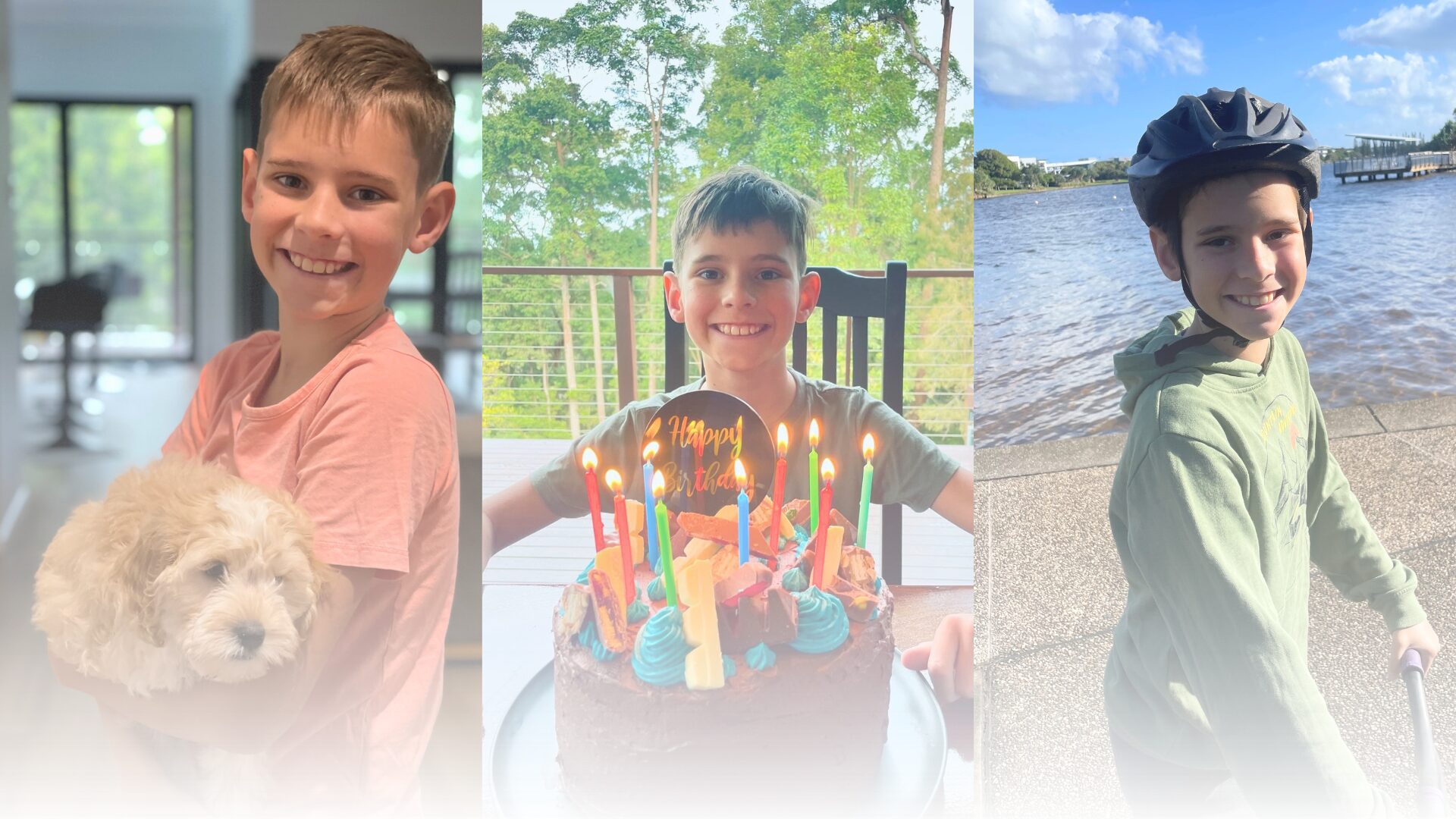
At CPR Kids, we talk a lot about knowing the signs of serious illness in children – and why acting early matters. Sepsis is one of those conditions that can look like something mild at first, then escalate fast. This Paediatric Sepsis Week, Angus’s mum has generously agreed to share their family’s story in her own words. It is raw, honest, and important – and we are so grateful she was willing to share it.
On 12th August 2023, Angus developed sudden pain in his right shoulder and underarm on the night of his eighth birthday. We had been at Laser Zone earlier that day celebrating his birthday with his best mate, so our initial thoughts were that this was an injury or strain. After Panadol and Nurofen, he slept.
The next day the pain continued, and a fever had developed. Angus would not tolerate even the slightest touch — we attempted to put a sling on his arm to support his shoulder but could not get near him. We took him to emergency, where we were sent home to monitor him for a potential viral infection and continue pain relief.
Within 24 hours his pain became unmanageable, his fevers persisted despite the medication, so we returned to hospital and he was admitted.
Soon after admission Angus developed a rash, and doctors advised they had seen this reaction many times from the particular pain medication he had been given. The rash continued to worsen, his body continued to weaken, and his appetite was reduced. We were asking questions and feeding back our concerns any time someone visited the room, but we were uncertain if our concerns were being noted or reviewed — or if we were even telling the right person. For the first 48 hours in hospital, Angus had tests and scans while receiving pain relief, but no other treatment was started. During this time, we watched him get worse — getting slower on trips to the toilet, toileting less frequently, becoming agitated, confused, paranoid, having periods of delirium, and being very hard to comfort. We felt helpless. At one point we talked about invoking Ryan’s Rule, but we were concerned about taking resources from others who might have really needed it, and we were still in the dark. Not knowing what was happening, who was listening, how our concerns were being recorded, or having any control — it was awful as a parent.
Two days later, broad-spectrum antibiotics were finally started, and another scan showed a fluid pocket that could be drained to identify the infection. But a message for Angus to be nil by mouth and prepared for a procedure was not passed on, and so this was delayed until the next day. The same evening my husband and I argued about next steps and how to get the right level of attention. We hadn’t seen a doctor all day, and lack of communication seemed to be delaying answers. That night we ended up refusing any further treatment until we had seen a doctor and talked through options and the procedure properly. Angus’s rash was worse than ever, very itchy, and he was not interested in any of his favourite foods.
By the following morning, Angus was extremely lethargic, could hardly walk, and had developed diarrhoea. During surgery to access the infection for testing, he went into septic shock. The infection had spread through his bloodstream, and he was rushed back to theatre for life-support measures before being taken to ICU.
Angus has two older sisters who were 11 and 13 at the time. In the first few days after his admission, they visited every evening. When his condition became critical, it was incredibly difficult to know how to communicate this to them. We didn’t know if he was going to be okay, and we were trying to protect them while also preparing them for what might come. The doctors were very transparent once Angus was transferred to critical care. We were made aware of every possible scenario: the potential loss of limbs or disfigurement if the infection couldn’t be controlled with the fourteen different medications supporting his little body. There was even a possibility that we might lose our son, and that our daughters might lose their brother. We knew the hospital had counselling services available, so we reached out for guidance. Together, we worked through how to approach the conversation with the girls and came up with a plan to support them through something no child should ever have to face.
Angus was in an induced coma for three days, then monitored for a further two and a half days in ICU before returning to the ward. Eventually the results came — we were told the infection was a type of streptococcus, likely entering his bloodstream through a small sore on his index finger. He spent another week on IV antibiotics specifically targeting this infection before finally coming home on 28th August with ongoing oral antibiotic support.
Since coming home, we’ve seen ongoing changes in Angus’s memory and thinking. Tasks he could once manage easily now overwhelm him unless given one at a time. He describes his mind as “mixed up” or “scrambled,” and becomes frustrated or upset more easily. He has struggled with focus at school and has had challenges managing his behaviour. Initially he was not able to attend full days and would be anxious about his health — if he felt hot, he thought he might be unwell, and he was in the sick bay or at home more than in the classroom for the remainder of that year. Angus has had pneumonia multiple times since sepsis and continues to have heightened reactions to skin infections. When we first returned home, we would check him over daily. Two and a half years later, we still give him a full check every week or so.
The day-to-day dynamics of our family have changed significantly. Each of us has needed support at different times and in different ways, both from one another and from professionals. We were not fully prepared for the impact it would have on all of us.
Although Angus has no memories of being in the ICU, we do. The trauma of facing a life-threatening situation, and of witnessing someone you love go through it, is very real. As a family, we talk openly about it now. Sometimes small things trigger big memories or emotions, and we’ve learned that this is completely normal. In the months since, we’ve changed GPs, changed paediatricians, and several of us have begun seeing psychologists. We’ve been in the hospital more times than we can count, had more meetings and emails with teachers than ever before, and learned that it is okay to ask for help — from family, from friends, from anyone who can be part of your support network. We needed to call on the village, and the village has shown up.
One of the biggest lessons we’ve learned is that as parents, we know our children best. Our number one job is to advocate for them: to push for answers, to trust our instincts, and to keep questioning when something doesn’t feel right. We are so deeply grateful that Angus is still here with us. At times we even feel guilty when we get frustrated with him over small things, because part of us wonders why we aren’t simply grateful for every minute. But we remind ourselves that we are still parents doing our best to navigate life with our children, without a guidebook. We have attended events with others who have lived through the same experiences and compared notes. It helps to know you are not alone.
It has taken time and perseverance, but we feel like we are on the right track to support Angus’s long-term recovery. We are connected with a network of medical professionals and working towards a solid start to high school in 2028.
What Sepsis Can Look Like in Children
Sepsis is the body’s extreme response to an infection. It can develop quickly and is life-threatening. It can follow a seemingly minor wound, a skin infection, or an illness that appears to be getting better before it suddenly gets much worse.
In Angus’s case, the signs included:
These aren’t always the classic ‘red flags’ parents are told to watch for. Sepsis can be hard to diagnose. It can look like a virus, a strain, or a medication reaction – right up until the moment it doesn’t.

Click the image above for a short and clear explainer on sepsis.
Angus’s story is a powerful reminder of how quickly things can change, and how important it is to know what to look for. Sepsis can affect anyone, at any age, and early recognition saves lives. To learn more about the signs of sepsis in children, what to do, and when to act, head over to www.childrens.health.qld.gov.au/sepsis
And remember, don’t be afraid to ask, ‘Could this be Sepsis?’
Did children ‘lose immunity’ over lockdown? What does this mean now that lockdowns are lifted?

Fifth disease is a common infection — half of all adults have been infected during their childhood! But how much do you know about it?
And that’s a wrap! We have loved answering your questions on a wide range of different topics over the series.