

If you’re new here – hi! My name is Casey, and I work behind the scenes as the Social Media Manager for CPR Kids.
One of the biggest privileges of my role is working closely with paediatric nurses and hearing real stories from parents and carers in our community. It means I’m constantly learning – and often rethinking what I thought I knew about child safety.
Some lessons stay with you more than others. Not because they’re dramatic, but because they quietly change the way you think, act, or prepare – and sometimes, they really can make a life-saving difference.
Here are five safety lessons that have stuck with me the most.
Working alongside nurses has taught me that water safety risks don’t always look the way we expect -especially around the bath.
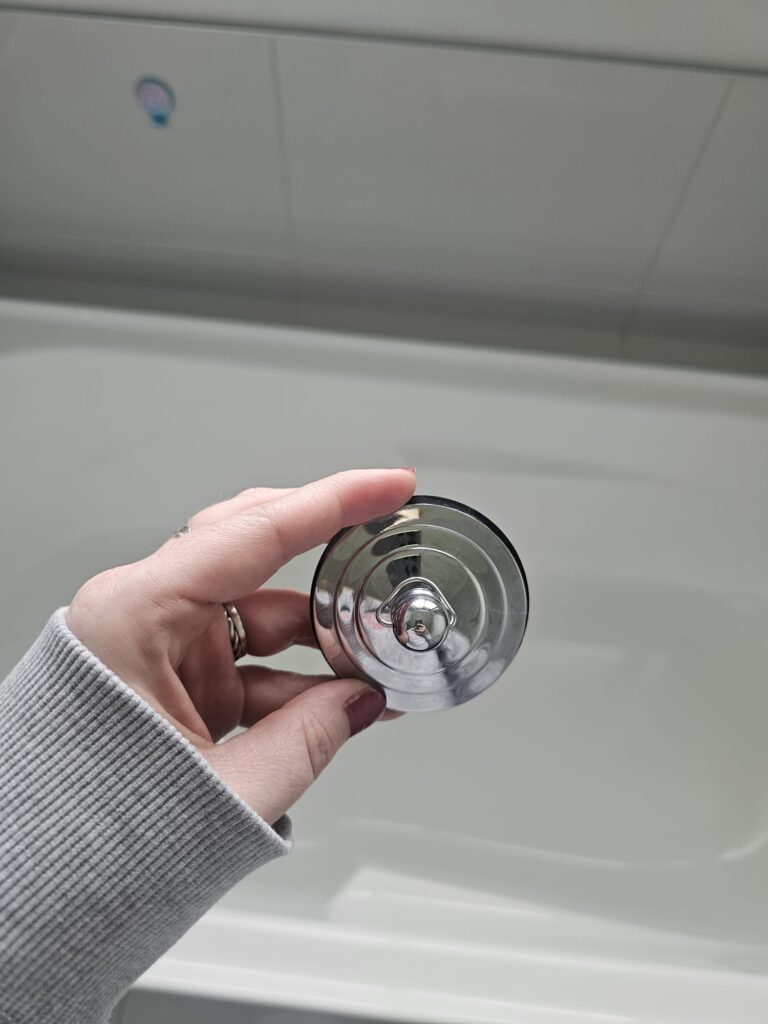
You may remember Illi’s story. As a former paramedic, Illi was very aware of drowning risks and was diligent about removing the bath plug after her son’s bath. Like many parents, she stored the plug nearby, assuming that without it in place, the bath itself wasn’t a risk.
One morning at around 4 am, Illi’s four-year-old ran into her bedroom shouting that his little brother needed help in the bathroom. When they rushed in, they found their adventurous two-year-old fully clothed – nappy and all – sitting in an overflowing bath.
He had pulled over a stool, climbed into the tub, found the plug, put it back in, and turned on the tap – something he had never done before.
Thankfully, he was okay.
This story is a powerful reminder that where we store bath plugs matters. Keeping plugs out of reach and out of sight – just like other potential hazards – adds an extra layer of protection. Children are curious, capable, and often surprise us with what they can access when we least expect it.
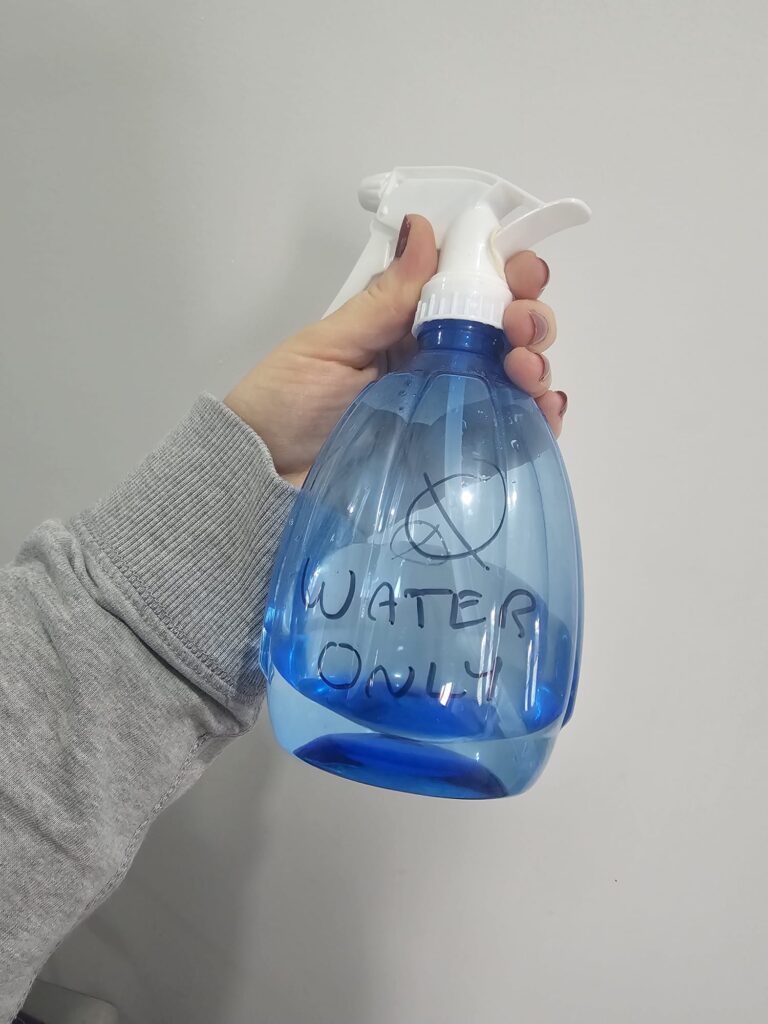
Keep a clean, unused spray bottle with the first aid kit! If a burn injury occurs, fill with cold tap water and spray continuously over the burn for a minimum of 20 minutes. This is especially good for burns to the face or areas difficult to hold under a tap.
Simple, accessible tools can make a big difference in the moment.
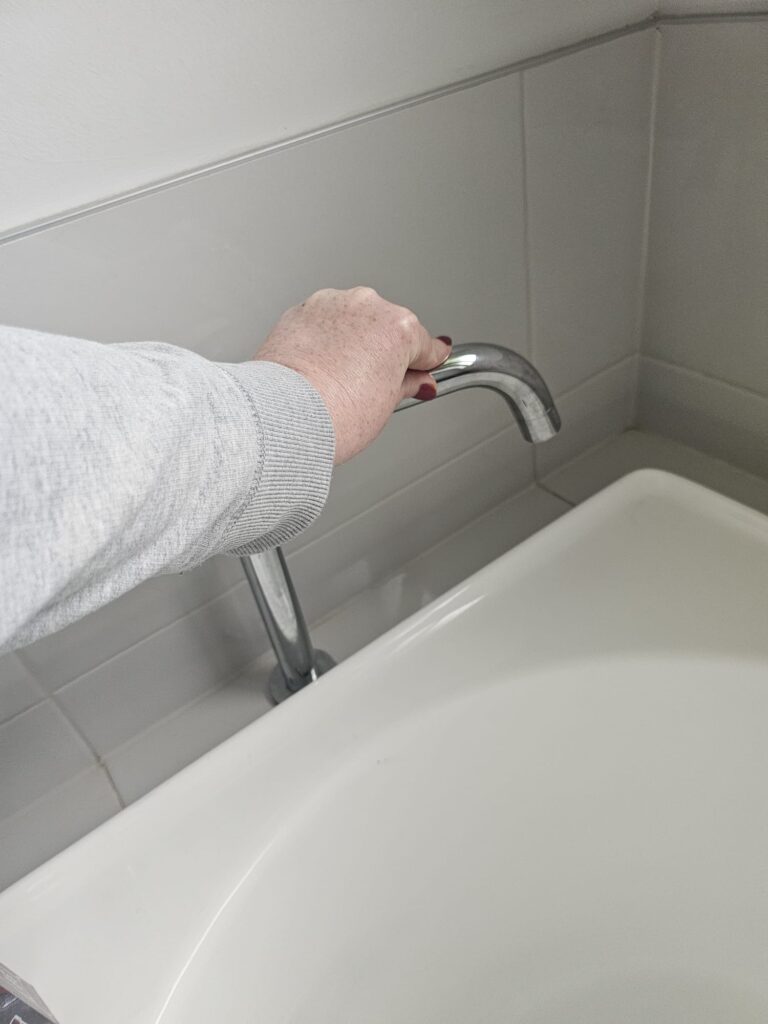
Always let some cold water run at the end of filling up the bath so that the tap isn’t hot or dripping hot water. And turn the tap away if you can, my eldest has had some nasty knocks from it.
There are also products available that cover bath taps to protect little heads and hands. These small adjustments can significantly reduce the risk of injury during bath time.
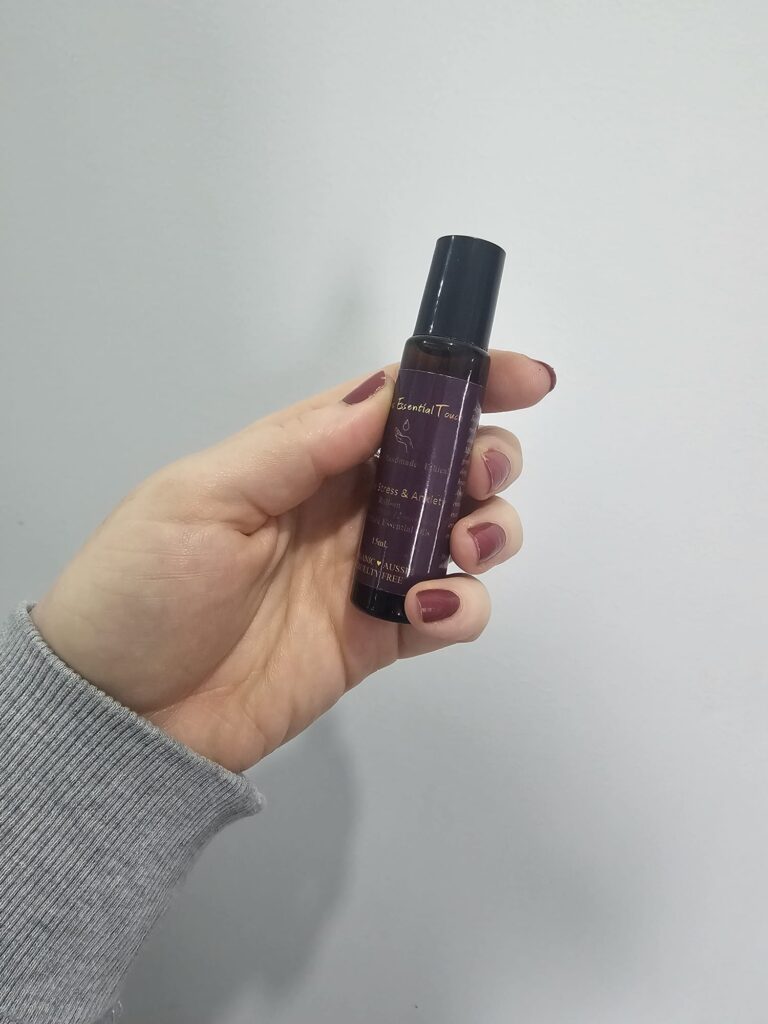
Natural doesn’t equal safe. Always keep essential oils out of reach of little ones. Lock them away like you would medicines or poisons. In children, even a very small amount of essential oil ingestion can cause rapid and life-threatening toxicity.
Essential oils, vaporiser fluids and medications should always be:
If you ever suspect your child has ingested essential oils, contact the Poisons Information Centre immediately on 13 11 26.
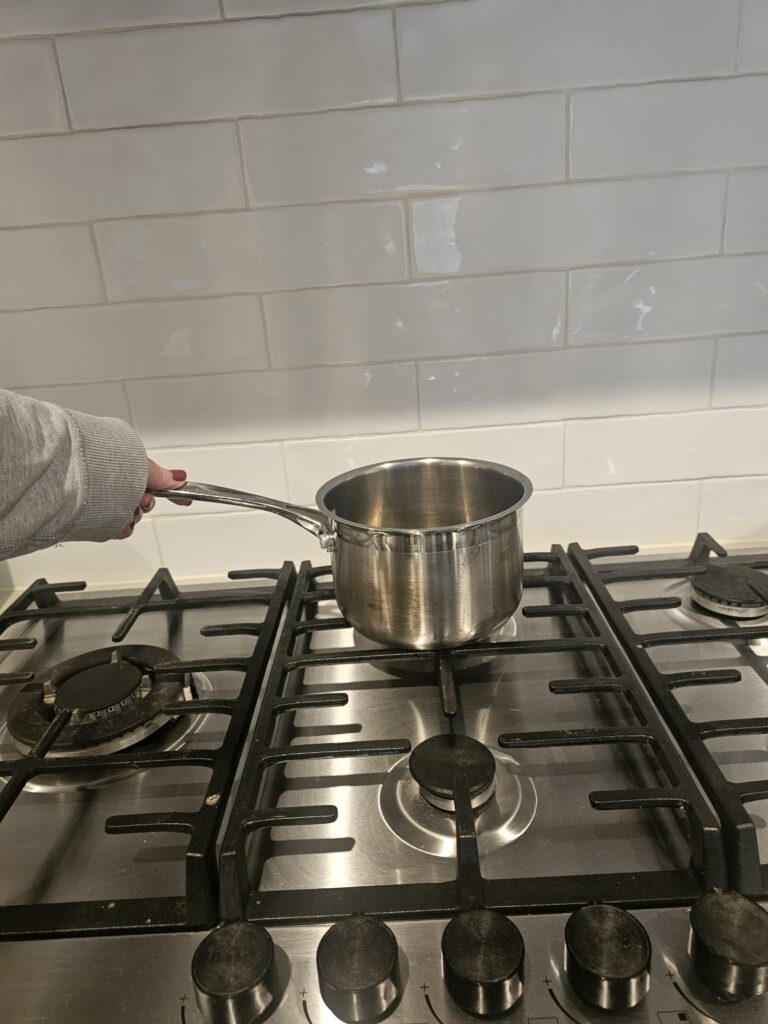
Scalds are one of the most common burns in young children.
One of the simplest prevention strategies is also one of the most effective:
Small, consistent habits can go a long way in protecting curious little hands.
Working alongside nurses has taught me that safety isn’t about being perfect – it’s about being prepared, informed, and realistic about how children move through the world.
Sometimes it’s the quiet, practical changes that make the biggest difference.
💙
— Casey, CPR Kids

Spring season, aka ‘sting’ season is here! Do you know how to treat bee and bluebottle stings?