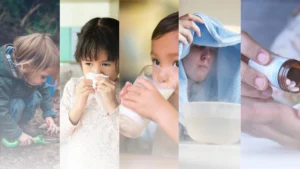
5 Winter Illness Myths – Busted!
We are busting the top 5 winter illness myths, giving you the facts (and debunking the fiction)!


Knowing the most common causes of burns and the most at-risk age groups is vital in preventing burns.
According to the Burns Registry of Australia and New Zealand (BRANZ) Annual Report 2020/21 (looking at all acute burn injuries admitted to Australian and New Zealand burn Services in the 12 months to June 30th 2021), the most common cause of burn injuries amongst paediatric patients was scalds – accounting for a whopping 49% of all burns in paediatric patients.
This was followed by contact (24%), flame (11%), and friction burns (11%).

The age group that reported the most burns injuries was the 13-24m age group with 31.2% of all burns injuries occurring in this age group, over the ages 0-15 years.
The 13-24 month age group also accounted for the highest rate of scalds by far (45.6% of scalds in children aged 0-15 years).

Overall in paediatric cases, hot beverages were the most common sub-cause (19%), followed by food (liquid or solid) (10%).
Kidsafe often states “hot drinks burn like fire” – and it’s true! To prevent scalds there are 2 main things you can do;
Prevention is key but knowing the correct first aid is vital. Remember – 20 minutes of cool running water is the most effective treatment for burns and scald injuries. We love this visual from Kidsafe & ANZBA –

And also remember – milk, honey, butter, toothpaste, or ice, are not effective treatments!
Watch our video below for a step-by-step guide on treating burns in little ones –
REFERENCES
We are busting the top 5 winter illness myths, giving you the facts (and debunking the fiction)!
Allergic reactions in babies can happen quickly, often within minutes of exposure to an allergen. It’s essential for parents and caregivers to know the signs of mild and severe reactions, including anaphylaxis, and to act swiftly. This guide covers everything you need to know, from recognizing symptoms to administering first aid and staying prepared for emergencies.

Can I put sunscreen on my baby? What is the best way to protect a baby from the Sun? We answer all things baby Sun safety in our latest Live.