
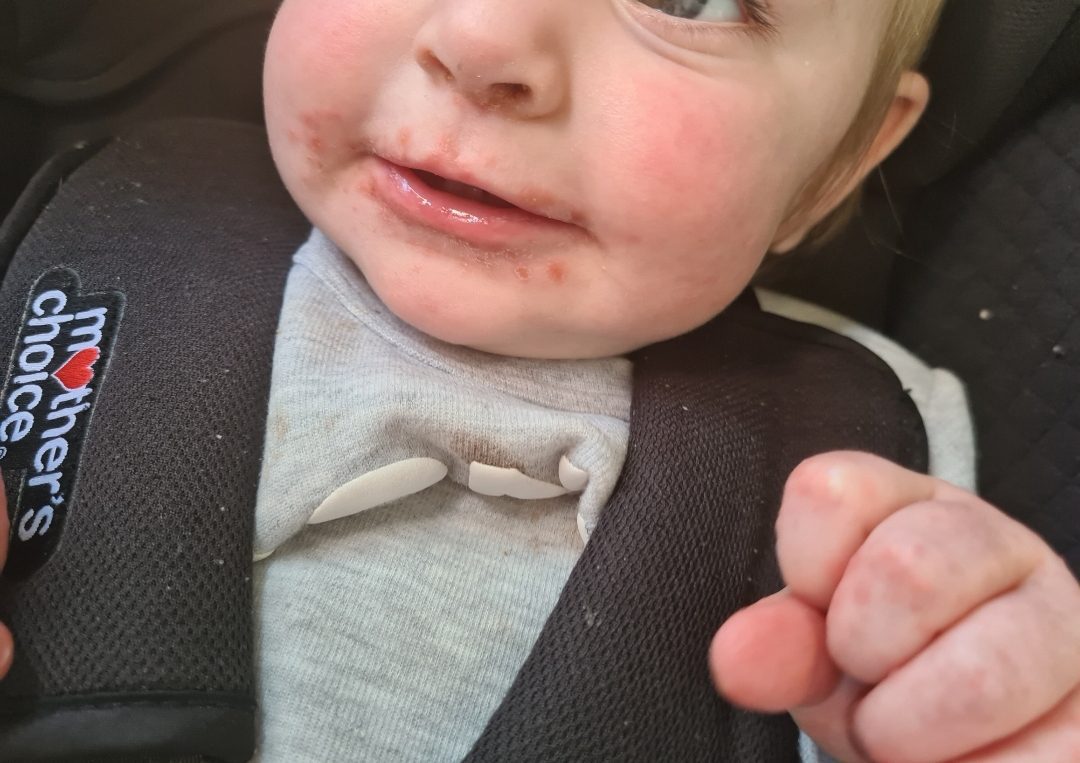
… But why is it called ‘Fifth disease’? Facts on ‘slapped cheek’ (Fifth disease)
Fifth disease is a common infection — half of all adults have been infected during their childhood! But how much do you know about it?

Updated June 2026
Hand, foot, and mouth disease is one of those illnesses almost every parent will deal with at some point – and it can be quite confronting. Here’s everything you need to know to feel confident managing it at home.
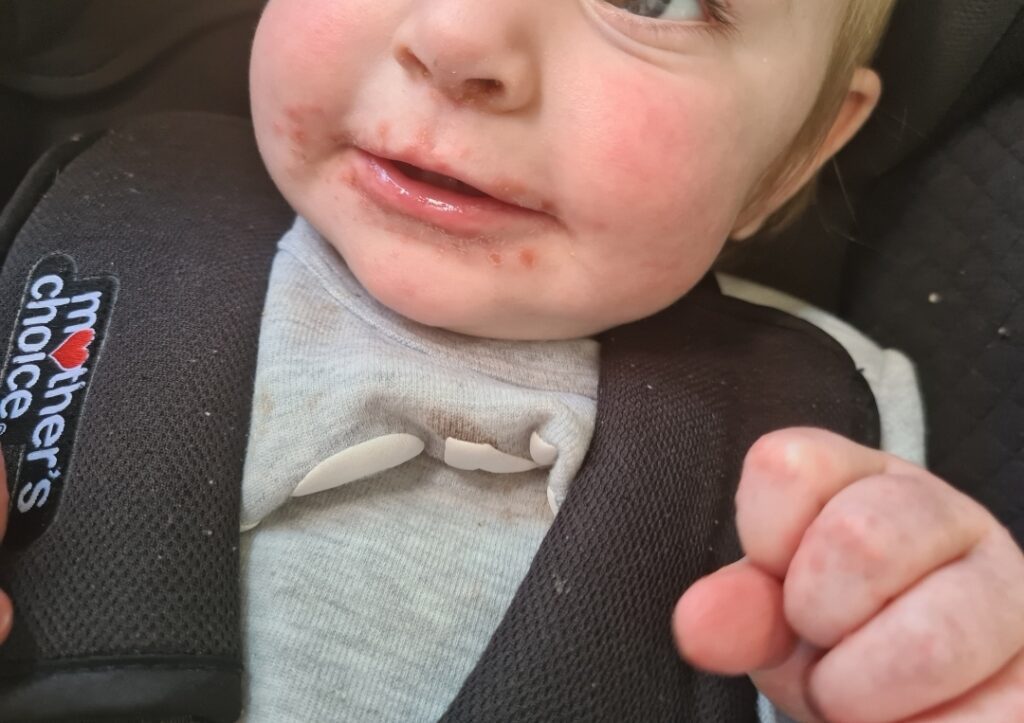
Hand, foot, and mouth disease is a common but highly contagious viral infection caused by enteroviruses, including the Coxsackievirus. It causes a rash with spots or blisters on the hands, feet and buttocks, along with mouth ulcers that can make eating and drinking quite painful for little ones.
It mainly occurs in children under 10, but anyone can catch it – and yes, adults can get it too, though symptoms are usually milder. Despite the name, it has absolutely no relation to foot-and-mouth disease in animals.
Symptoms usually appear 3–5 days after contact with an infected person and may include:
The mouth ulcers are often the most uncomfortable part – many children are quite grumpy while unwell, and it can be hard to keep them drinking enough fluids.
Hand, foot, and mouth disease usually lasts 7 to 10 days.
HFMD is highly contagious and spreads through:
Outbreaks commonly occur in childcare settings where children are in close contact with each other.

There’s no specific treatment – antibiotics won’t help as it’s a virus. The good news is that most children recover well at home. Here’s how to keep them comfortable:
A note on babies: If your baby refuses to drink, you may need to offer fluids with a syringe in small amounts. If you’re concerned they’re not getting enough, see your doctor.
Good hygiene is the best protection:
Call an ambulance immediately if your child has a fever AND a rash that does not turn skin colour when you press on it – this can be a sign of meningococcal infection and needs urgent attention.
Go to your nearest emergency department if:
No – keep your child home from childcare or school until their blisters have dried up, any rash has gone, and their fever has settled. During this time, also avoid swimming lessons and playgrounds where they’ll be in close contact with other children.
Please also let your childcare centre or school principal know so they can alert other families.
Yes! Because there are different strains of the virus, your child can get it more than once. Subsequent infections are usually milder, though.
Yes, but it’s usually much milder than in children. Many adults are exposed without even getting symptoms.
While hand, foot, and mouth disease is not known to be dangerous for pregnant women or their unborn babies, infected mothers and siblings can pass the infection to newborn babies who can rarely experience severe disease. If you’re pregnant and have been exposed, speak to your midwife or doctor.
It can – HFMD can sometimes cause eczema to flare up, so keep an eye on your child’s skin during and after the illness.
No – there is currently no vaccine available to prevent hand, foot, and mouth disease.
📚 Want to feel more confident when your child is unwell or in an emergency? Book a Baby + Child First Aid Class with CPR Kids.
References:
Fifth disease is a common infection — half of all adults have been infected during their childhood! But how much do you know about it?
Hand Foot & Mouth Disease is a common viral illness, but do you know what to do or expect if your child becomes infected?

Here are some of the most commonly forgotten considerations and helpful hints, you need to think about before hopping on that plane with baby!